
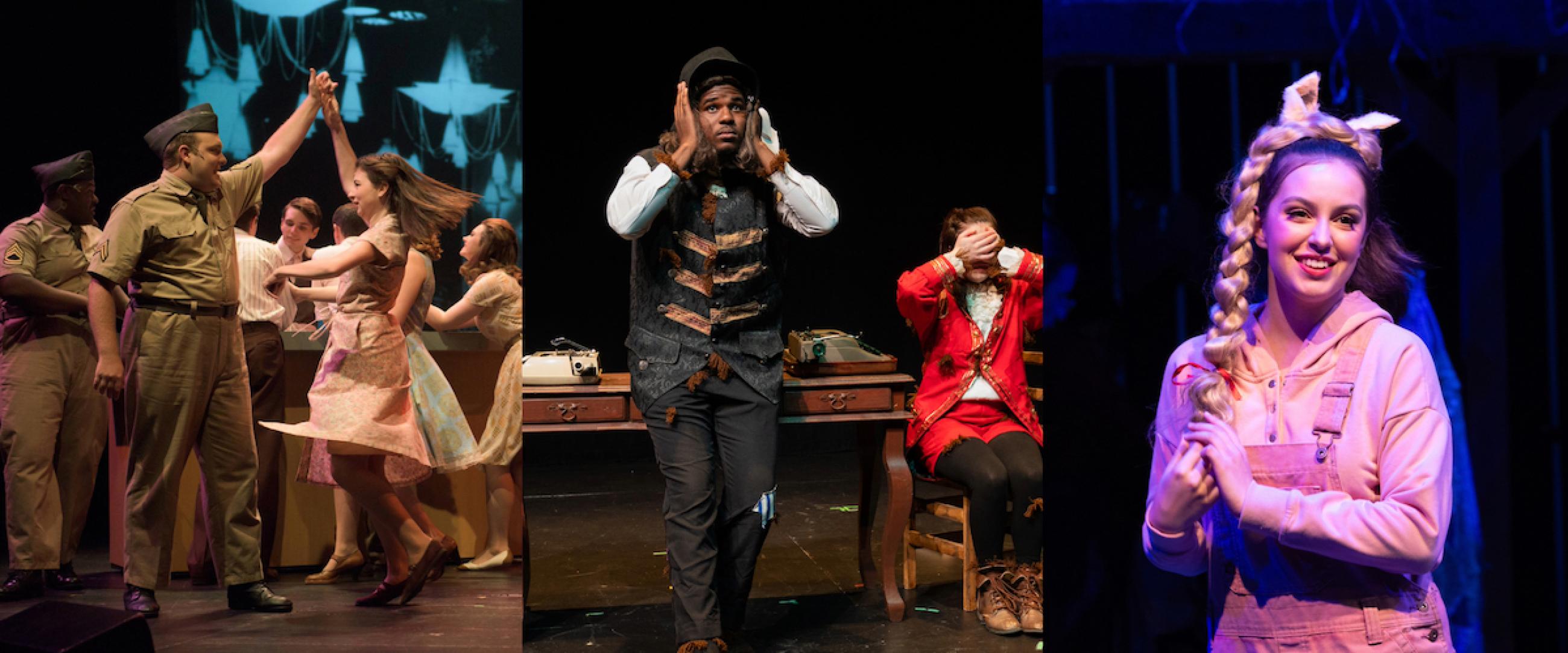
Southern's Theatre, B.A. program offers opportunities for students to engage in every facet of theater from page to stage.
Theater students take classes in acting, dancing, elocution, design, technical theater, history, and dramaturgy. Our students have ample opportunity to apply their classroom knowledge in our four-show season where they are closely mentored by our outstanding faculty professionals.
Production Facilities
The department is housed in the John Lyman Center for the Performing Arts. We use two performance/rehearsal spaces, two shops, and six dressing rooms.
- Lyman Mainstage: This 1,568-seat auditorium features a semi-circular thrust stage.
- Robert E. Kendall Drama Lab: This 50-foot square "black box" space offers flexible seating for approximately 125 people. It includes technical control booths and stage traps to provide access to the dressing rooms.
- Scenic Design Laboratory: This facility is dedicated to set construction and painting activities before a show loads into the mainstage or drama lab.
- Costume Shop: Serving as a classroom, this shop is instrumental in manufacturing and altering costumes and wardrobe items for university productions. It also caters to external productions such as Yale Opera and the Elm Shakespeare Company.
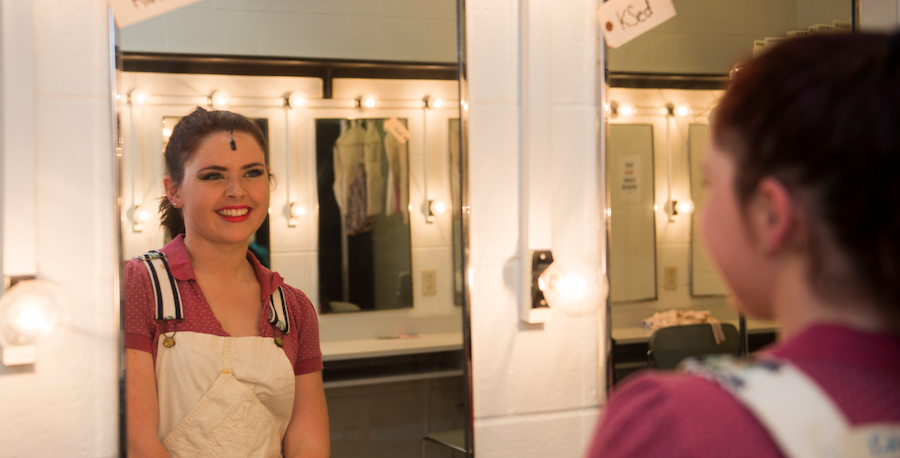
- Dressing Room: Equipped with mirrors, lights, and tables, these rooms are utilized by both the mainstage and drama lab productions. Additionally, they serve as practical spaces for stage makeup classes.
Careers
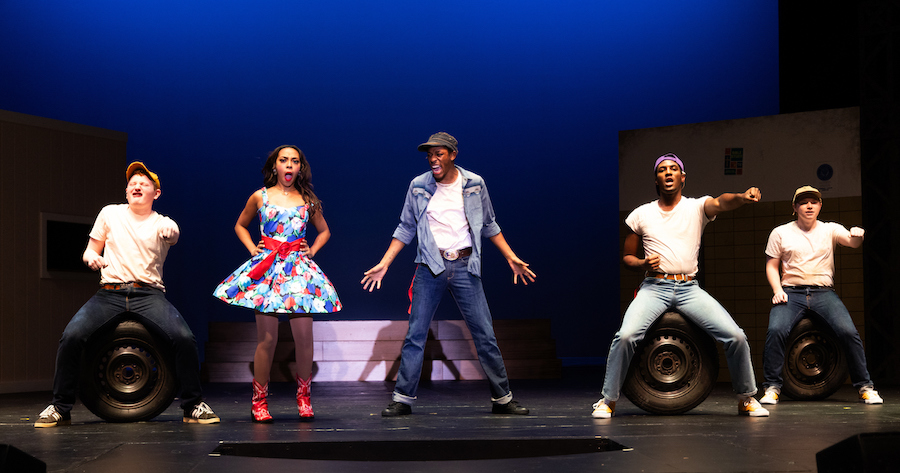
The emphasis we have on experience-based learning results in high rates of post-graduate employment. Recent graduates have gone on to jobs in film and television, education, regional theatre, and New York theatre. They are actors, producers, stage managers, teachers, make-up artists, ballroom dancers, marketing directors, event managers, designers, and technicians. They have also gone on to top-tier graduate programs in arts management, educational theatre, film studies, playwriting, and design.
Typical Job Titles
- Actor
- Stage Manager
- Playwright
- Theatre Director
- Casting Director
- Costume Designer
- Set Designer
- Lighting Designer
- Sound Designer
Learning Outcomes
The Department of Theatre wants students to leave our program with a broad understanding of and respect for every aspect of theatre. The following are the departmental student learning goals:
- Develop the unique and highly varied technical proficiencies inherent to the theatre profession's technologically focused areas.
- Demonstrate the critical thinking and analysis skills necessary to engage in high-level conceptual and metaphoric textual analysis.
- Attain a deep appreciation, knowledge, and understanding of theatrical history in order to engage with the idiosyncratic language of professional theatre artists.
- Develop the physical proficiencies required of a performance artist as well as the discipline, respect, and enthusiasm necessary to maintain those proficiencies.
- Understand the strategies and methods necessary to be successful collaborative theatrical storytellers.
- Demonstrate the deep respect and appreciation for one's colleagues that is utterly vital when working in this most collaborative art form.
- Understand that they will never stop learning and develop the attitude and skills necessary to continue learning for the remainder of their careers.
- Develop the skills, knowledge, and attitude required to perpetuate theatre as a force for self-examination and social change in the world.